We treat the conditions most people are told to just live with.
Pelvic floor concerns can show up as leakage, pressure, pain, or changes after pregnancy. We provide discreet, one-on-one care with a calm, professional approach.
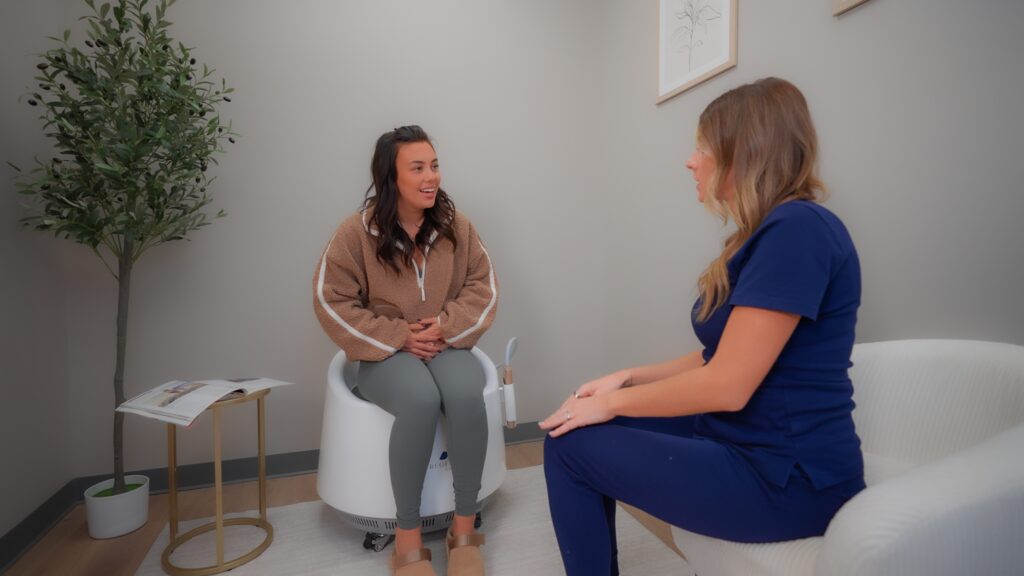
Urinary leakage with coughing, sneezing, laughing, or exercise
Urgency and frequent urination
Pelvic heaviness or pressure (including mild to moderate prolapse-related symptoms)
Pelvic pain, tailbone pain, or pain with sitting
Pain with intercourse or pelvic exams
Constipation related to pelvic muscle coordination
Core weakness and pressure management issues
Pregnancy and delivery can change strength, coordination, and how your core manages pressure. We support recovery with a structured plan that respects your body and your timeline.

Orthopedic pain is often tied to mobility, strength, movement patterns, and how your body handles daily load. We build practical rehab plans that support real-life movement.
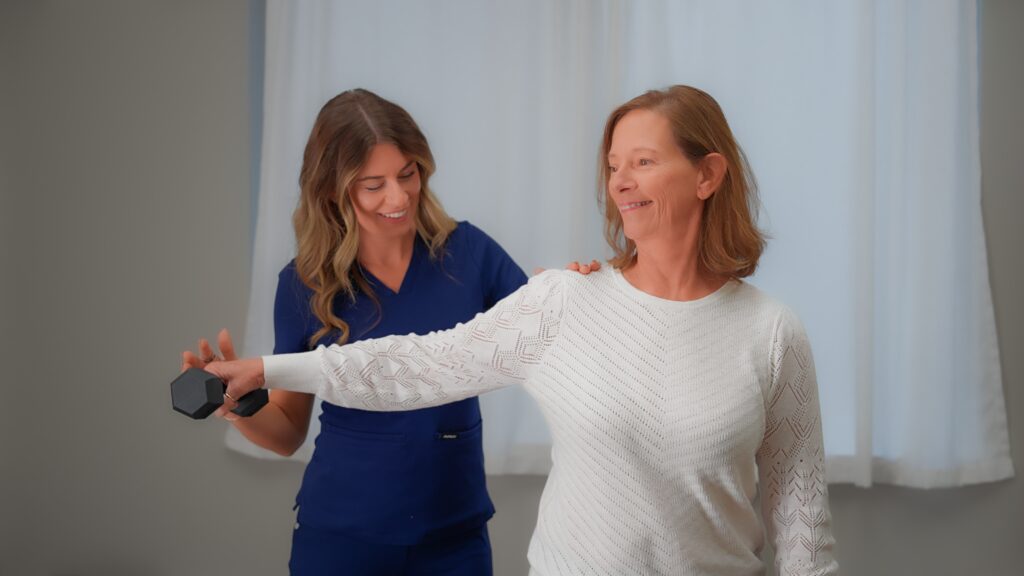
If you train, compete, or stay active for your health, rehab should match your sport and your demands.
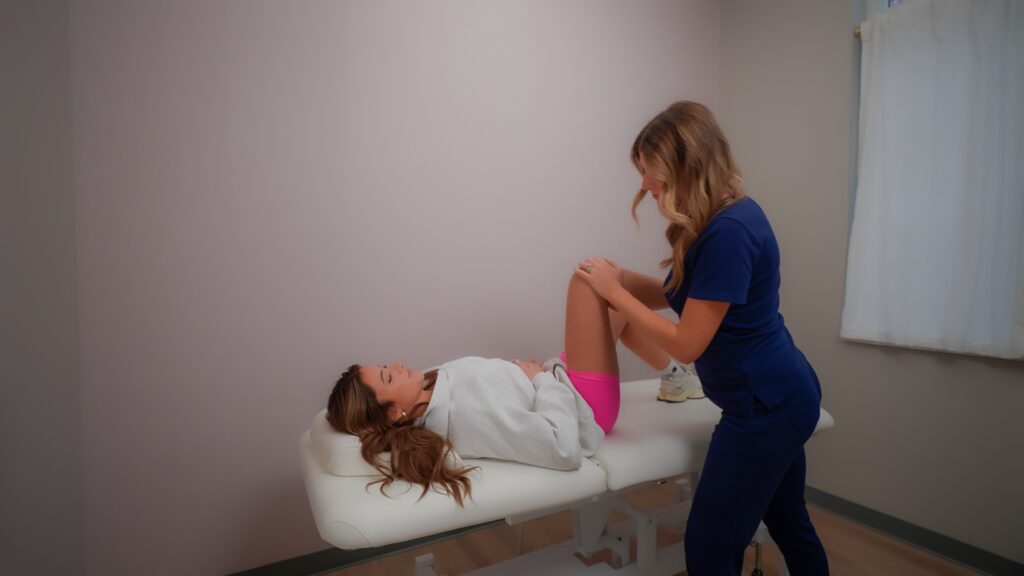
Movement pain during training
Strength and stability deficits
Return-to-sport progression after injury
Mobility limitations that affect performance
Dry needling is a targeted technique we may use to reduce muscle tension, release trigger points, and improve mobility—so your rehab plan works better. At The Renew Studio, dry needling is not a standalone quick fix. It is used when it supports clear clinical goals and is appropriate for your case.
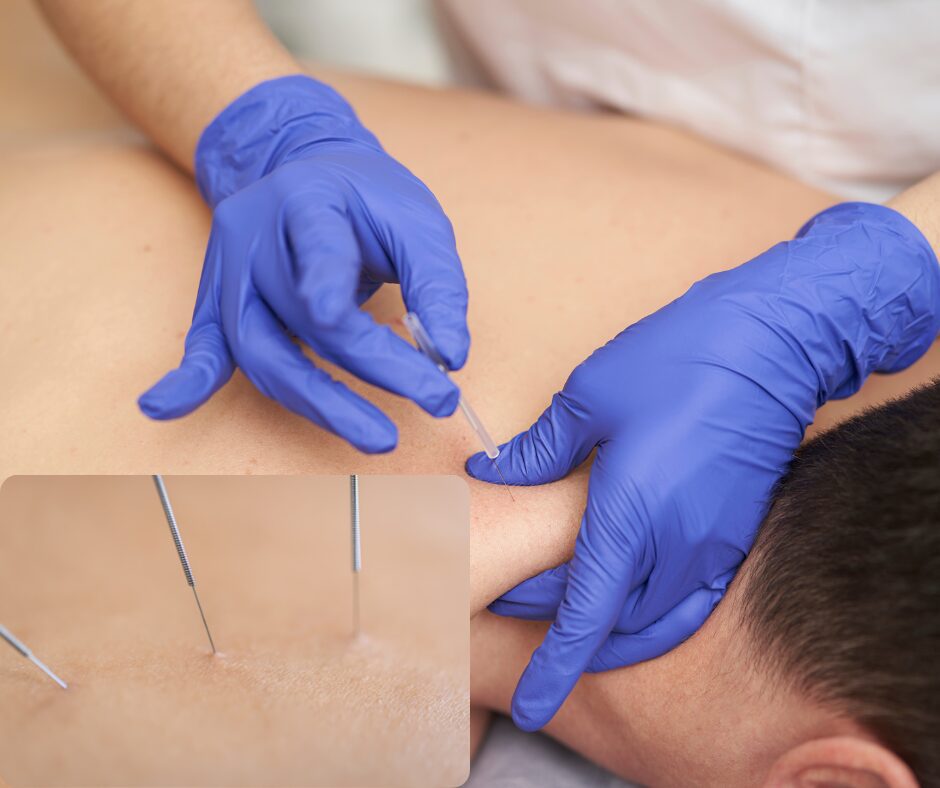
Persistent tightness or “knots” in the neck and shoulders
Limited neck range of motion
Upper back tightness from posture strain or desk work
Muscle guarding that limits reaching or overhead motion
Rotator cuff irritation with tight surrounding muscles
Discomfort that affects sleep positions or lifting
Tension-type headache patterns connected to neck and upper back tightness
Muscle trigger points that refer discomfort into the head or jaw area (as part of a full evaluation)
Muscle guarding in the low back that limits bending or lifting
Glute/piriformis trigger points contributing to hip or deep buttock pain
Tightness that reduces walking tolerance or stair comfort
Forearm and elbow muscle tightness from repetitive work or gripping
Calf tightness and recurring lower-leg stiffness
General myofascial pain patterns that don’t respond to stretching alone
Trigger points that limit performance and increase compensation
“Tight muscles” that keep returning despite mobility work
Muscle restriction that blocks strength progression or return to sport
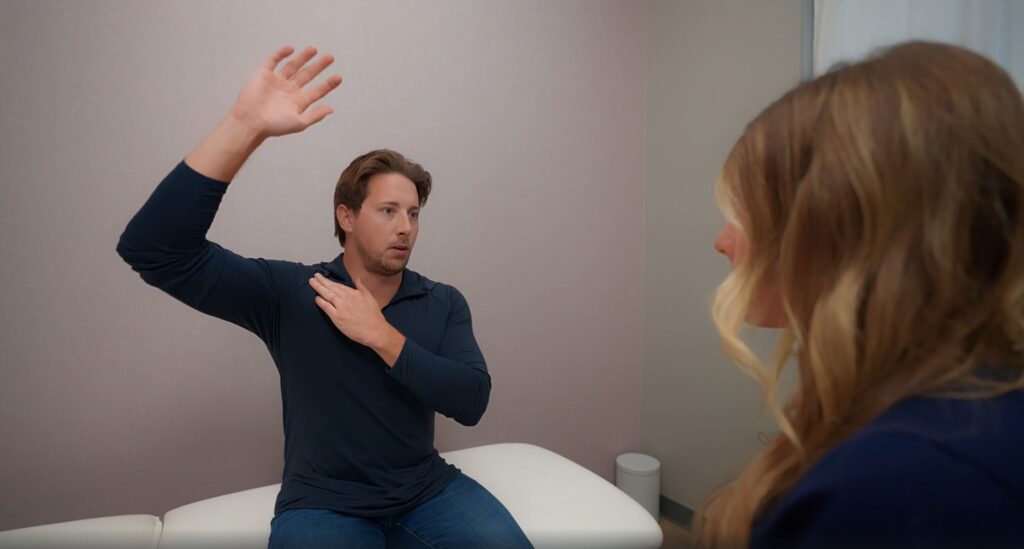
Pain can be complex. Sometimes it starts with an injury. Other times it builds over time from strain, stress, posture, or repetitive work. At The Renew Studio, we treat pain with a clear, evidence-based plan designed to restore function—not just mask symptoms. We support patients of many ages and activity levels, including teens with growing pains, adults managing work and family demands, and older adults who want to stay strong, steady, and active
Acute pain after a strain, sprain, or flare-up
Persistent or recurring pain that keeps returning
Muscle tightness and trigger point pain
Mobility loss and stiffness that limit daily movement
Pain with lifting, walking, stairs, or exercise
Recovery after time away from activity or after injury
Pain patterns connected to stress, tension, or protective guarding
Hands-on manual therapy to improve mobility and reduce irritation
Movement-based rehab to rebuild strength and stability
Dry needling when clinically appropriate
Guided progression back to work, sport, and normal routines
Noninvasive recovery options, such as Restora EMS when appropriate
Schedule an evaluation at The Renew Studio in Romeo and get a clear plan built around your goals.
Private, one-on-one care—guided by expertise and built around your goals.
Book online in minutes. Choose your service, select a time, and we’ll take it from there. Most visits are 45–60 minutes. Insurance & self-pay options available.
We know it can feel hard to take the first step—especially when symptoms are personal. This page covers the most common questions about pelvic floor therapy, orthopedic physical therapy, and our wellness-based services. If you don’t see your question, contact us and we’ll point you in the right direction.
In many cases, you can start with an evaluation directly. Rules vary by insurance and situation. We can help you confirm the best route.
No. Postpartum care is common, but pelvic floor symptoms can occur at many ages and for many reasons.
Often, yes. Leakage can improve when the pelvic floor and core learn better strength and coordination. Your plan depends on the type of leakage and contributing factors.
Physical therapy may help reduce symptoms and improve support, especially when combined with strength, breathing, and pressure-management strategies.
It should not feel alarming or unsafe. We adjust pace and techniques based on comfort and clinical needs.
It depends on severity, history, and goals. Many patients see progress within a few visits, then continue with a short plan to build lasting change.
We can evaluate radiating symptoms to determine the likely driver and create a plan to reduce irritation and restore movement.
Yes. We build a progression that matches your symptoms and your current capacity, so you are not guessing.
That is common. We prioritize the most limiting problem first while addressing related contributors.
Not always. Some people need coordination, relaxation, or different strengthening strategies. The right plan depends on your exam findings.
In many cases, yes. Muscle coordination can play a role, and therapy may improve bowel mechanics and comfort.
Wear comfortable clothing and bring any relevant medical notes or imaging reports if you have them. Also bring questions—your concerns matter.
Many symptoms are common, but that does not mean you have to live with them. An evaluation gives clarity.

The Renew Studio
Physical Therapy & Pelvic Wellness
216 N Bailey St, Suite A • Romeo, MI
Phone (586) 299-1201
Fax (586) 210-8433
mywellness@therenewstudio.com
Care is personalized. Results vary by individual. If you have urgent symptoms, call 911 or go to the nearest emergency room.
Areas We Serve: Romeo, Washington Township, Armada, Ray Township, Bruce Township, Macomb Township, Shelby Township, Richmond, Rochester Hills, Almont, Utica, Lake Orion.
©2025, All Rights Reserved by The Renew Studio
Powered by: Agile Solutions LLC